


Best “Must-Try” Vietnamese Cuisines in Saigon
VIETNAMESE BANH MI
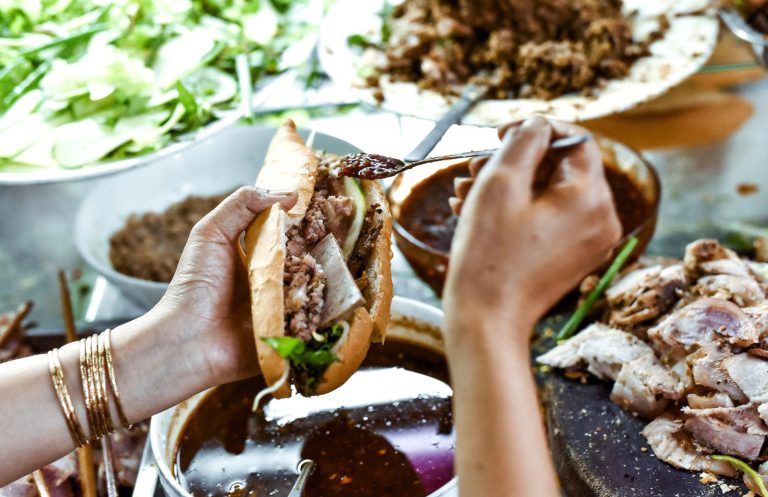
If you’re heading to Saigon, skipping the chance to taste “Banh Mi” would be a major oversight. This iconic dish, born from the French introduction of the baguette in the 19th century, has been masterfully reinvented by the Vietnamese. They have transformed it into a culinary delight that has captured the hearts of locals, making Banh Mi a go-to choice for breakfast, lunch, and even dinner.
A truly exceptional Banh Mi is made fresh right at the stall, featuring a delectable combination of ingredients like rich pâté, tender steamed pork, or savory roasted pork. It’s enhanced with fresh cilantro, optional spicy cut chili, crisp cucumber slices, and a dash of soy sauce. Each bite is a celebration of contrasting textures and flavors—the satisfying crunch of the bread, the juicy crispness of the pork, the creaminess of the pâté, and the invigorating scents of cilantro and chili mingling together. As a passionate local food enthusiast, I know exactly where to find the best Banh Mi in town. Join us on our food tours, and I promise you this: this unforgettable culinary experience will leave a lasting impression on your taste buds!
VIETNAMESE "ROLLS"
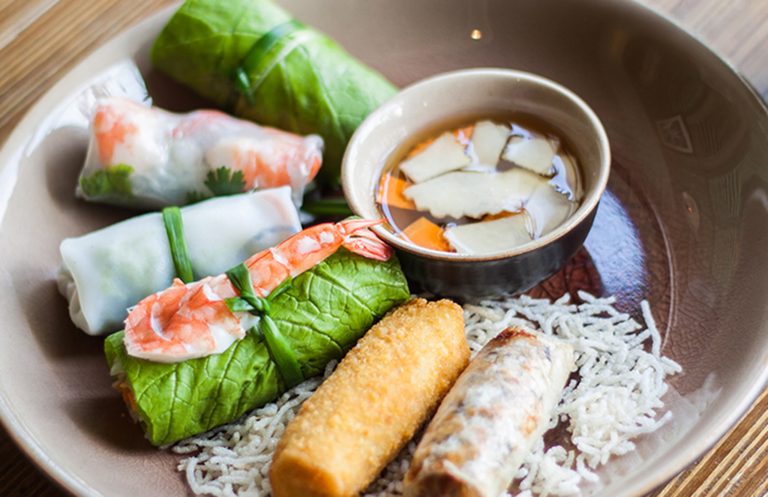
Don’t miss out on one of the culinary highlights of Vietnamese cuisine: the delightful “Rolls.” Let’s dive into the enticing world of these delicious treats.
**Fresh Spring Rolls (Goi Cuon)**: Experience the vibrant flavors and fresh ingredients of these exquisite rolls. To savor them, simply use your fingers to wrap and roll each one into neat, bite-sized pieces. Dip them into a mouthwatering sauce for an explosion of taste. Each roll is packed with rice paper, crisp lettuce, crunchy bean sprouts, aromatic chives, tender steamed noodles, succulent pork, and juicy prawns (or shrimp). A rich, ground black bean sauce, complemented with peanuts and a touch of cut chili, rounds out the experience. Sometimes, you might even find crispy fried shallots added for that extra layer of flavor!
**Deep-Fried Spring Rolls (Cha Gio)**: For a satisfying crunch, you must try these delectable deep-fried rolls! Each one is filled with a delightful mix of ingredients, including taro slices, savory ground pork, flavorful mushrooms, and fragrant chopped shallots. After being expertly wrapped, they are deep-fried to golden perfection, creating a crispy exterior that encases a burst of flavors. To elevate your experience, enjoy them with a zesty garlic-and-chili fish sauce, brightened with vinegar or lime juice. One bite, and you’ll be hooked!
VIETNAMESE "PHO"
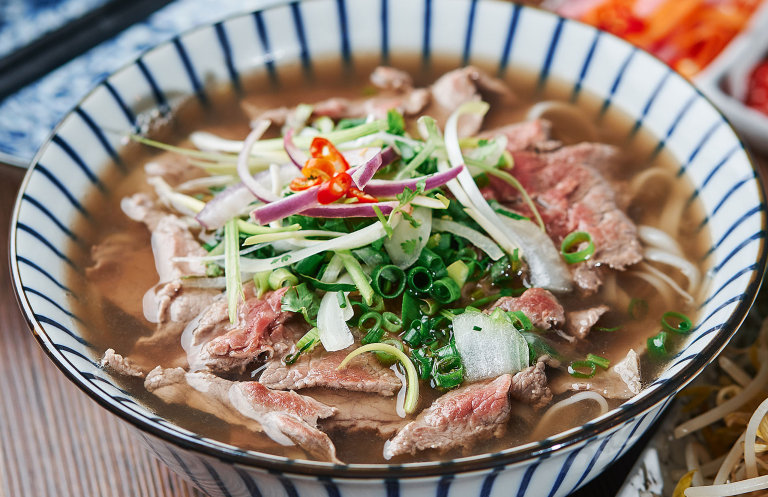
Loved by locals and adored by international food lovers, one fragrant noodle soup has become a culinary ambassador for Vietnam around the world. In this guide, we will answer the essential question – what is pho, Vietnamese food?- by exploring its origins, ingredients, regional styles, and how to enjoy it like a local. Read on to dive into the delicious world of Vietnam’s national dish.
Before pho became a global culinary icon, it was a humble yet soulful dish that warmed countless Vietnamese mornings. To truly appreciate its significance, let us explore what pho, Vietnamese food, is, from its essential ingredients to its rich history and cultural symbolism.
Pho is a classic Vietnamese noodle soup featuring flat rice noodles (bánh phở), savory broth, and meat, most commonly beef (phở bò) or chicken (phở gà), heralded by fragrant herbs and distinctive seasonings. A typical bowl is garnished with scallions, cilantro, lime, chilies, hoisin sauce, and Sriracha.
Pho first appeared in northern Vietnam, likely in Nam Định or Hanoi during the early 20th century, evolving from Vietnamese dishes like xáo trâu and absorbing influences from French pot-au-feu and Chinese noodle soups. After 1975, Vietnamese emigrants introduced pho worldwide, and it was added to the Oxford English Dictionary in 2007. Prestigious media outlets such as CNN, BBC, National Geographic, and Lonely Planet have praised it, often listing it among the world’s best soups.


